Medicine and Health Sciences focus on human health, disease prevention, treatment methods, and medical technology with the goal of improving lives and well-being.
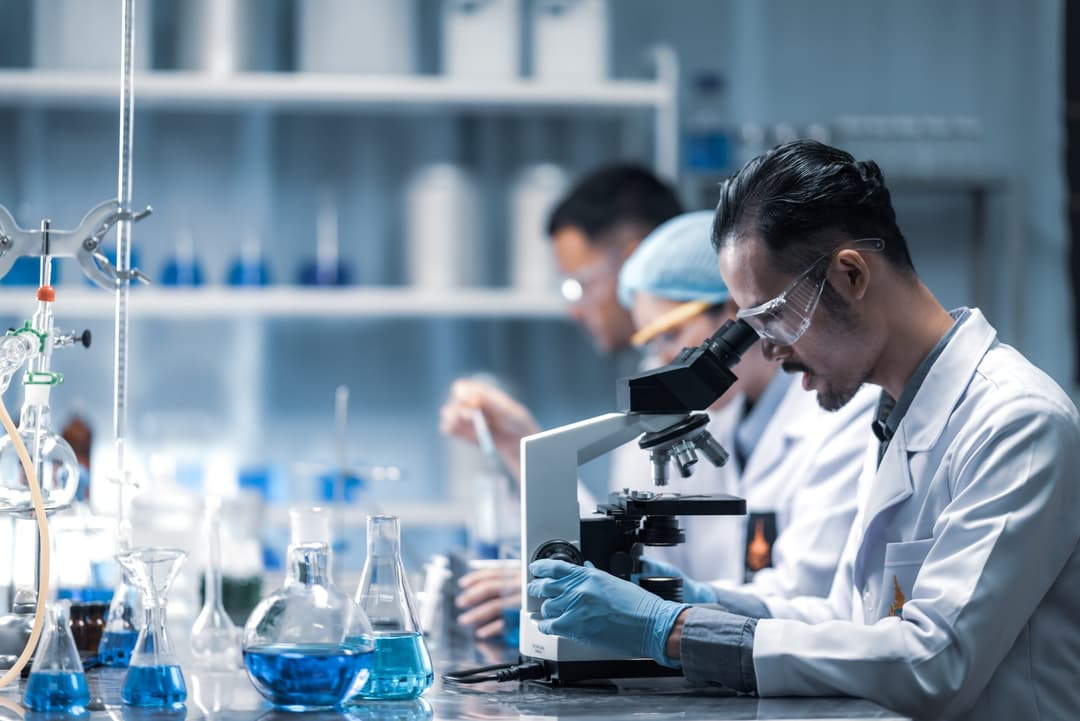
Browse All CoursesThe Bachelor of Biomedical Sciences is a science-based programme focused on the study of human biology and the mechanisms of disease. The curriculum covers areas such as human anatomy and physiology, biochemistry, molecular biology, microbiology, immunology, genetics, pathology, and medical laboratory techniques. With strong emphasis on laboratory work, data analysis, and research skills, the programme equips students with a solid understanding of disease processes and diagnostic methods. Graduates may pursue careers in medical laboratories, hospital diagnostic departments, biotechnology and pharmaceutical companies, research institutions, and public health organisations, or continue with postgraduate studies in medicine, pharmacy, biomedical sciences, or related professional fields.
Show MoreThe Bachelor of Dental Surgery (BDS) is a professional healthcare programme focused on oral health, diagnosis, and treatment of dental diseases. The curriculum covers areas such as oral anatomy, operative dentistry, endodontics, periodontology, oral and maxillofacial surgery, prosthodontics, orthodontics, paediatric dentistry, dental radiology, and supervised clinical training. With a strong emphasis on both theoretical knowledge and hands-on clinical experience, students are trained to manage real patient cases under professional supervision. Upon completion and meeting relevant licensing requirements, graduates may practise as registered dentists in hospitals or private dental clinics, or pursue postgraduate specialisation in various dental disciplines.
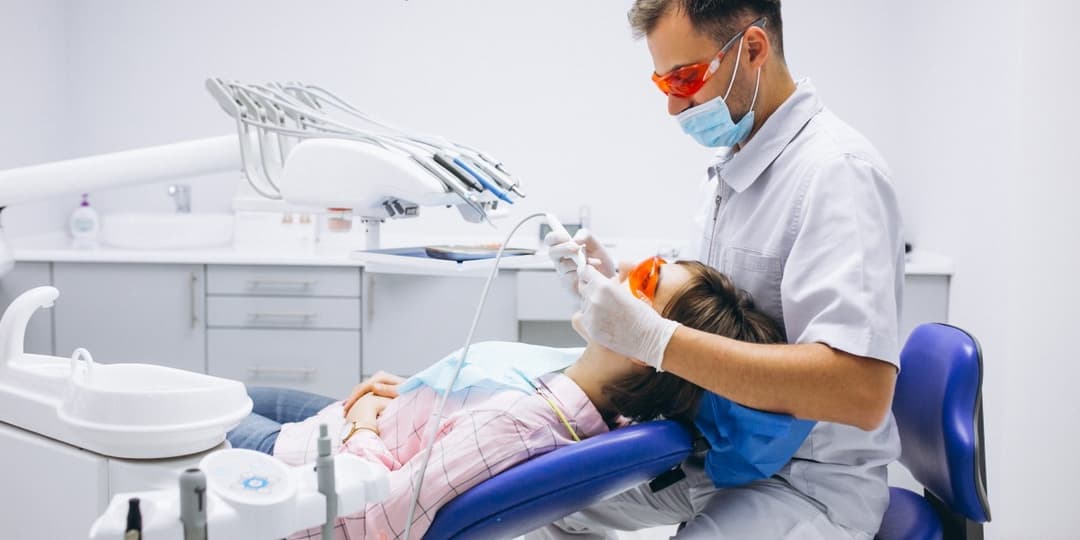
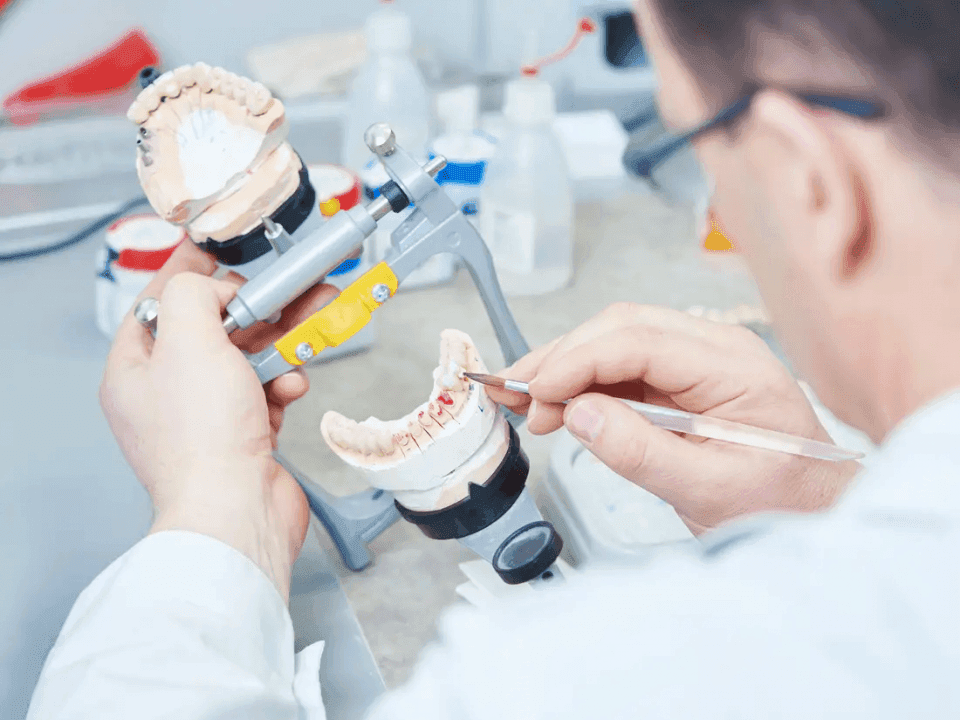
Show MoreThe Bachelor of Dental Technology is a healthcare technology programme focused on the design and fabrication of dental prostheses and restorations. The curriculum covers areas such as oral anatomy, dental materials science, denture and crown-and-bridge fabrication, dental ceramics, digital dental technology (CAD/CAM), dental laboratory management, and basic clinical collaboration. With strong emphasis on precision skills and digital applications, the programme equips students with the competencies required to design, manufacture, and ensure the quality of dental restorations. Graduates may pursue careers as dental technologists in dental laboratories, dental clinics, hospital dental departments, or dental equipment companies, or continue with postgraduate studies in dental technology or related fields.
Show More
The Bachelor of Healthcare Management is a professional programme that integrates healthcare services with business and management principles. The curriculum covers areas such as healthcare systems management, hospital operations, healthcare law and ethics, health economics, financial management, human resource management, quality and risk management in healthcare, health information systems, and public health fundamentals. By combining management theory with practical healthcare applications, the programme prepares graduates to understand and improve the operations of healthcare organisations. Graduates may pursue careers in hospitals, specialist clinics, healthcare groups, insurance companies, health management organisations, and government health departments in roles related to administration, operations, project management, and healthcare policy support, or continue with postgraduate studies in healthcare management or related fields.
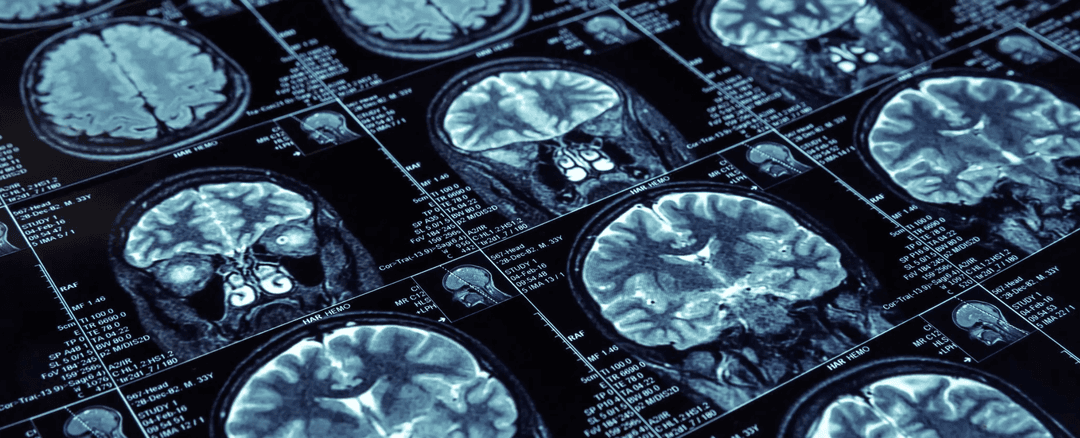
Show MoreThe Bachelor of Medical Imaging is a healthcare-focused programme centred on diagnostic imaging technologies. The curriculum covers areas such as human anatomy and physiology, principles of radiography, X-ray technology, CT scanning, MRI, ultrasound imaging, fundamentals of nuclear medicine, image processing techniques, radiation protection, and supervised clinical training. By integrating theoretical knowledge with hands-on clinical practice, the programme equips students with the skills required to operate imaging equipment safely and interpret diagnostic images. Upon completion and subject to relevant registration requirements, graduates may work as radiographers or medical imaging technologists in hospitals, specialist clinics, imaging centres, and other healthcare facilities, or pursue postgraduate studies in medical imaging or related fields.
Show More
The Bachelor of Medical Informatics integrates healthcare and information technology. Students study health information systems, electronic medical records (EMR/EHR), medical data management, healthcare analytics, and digital health technologies.
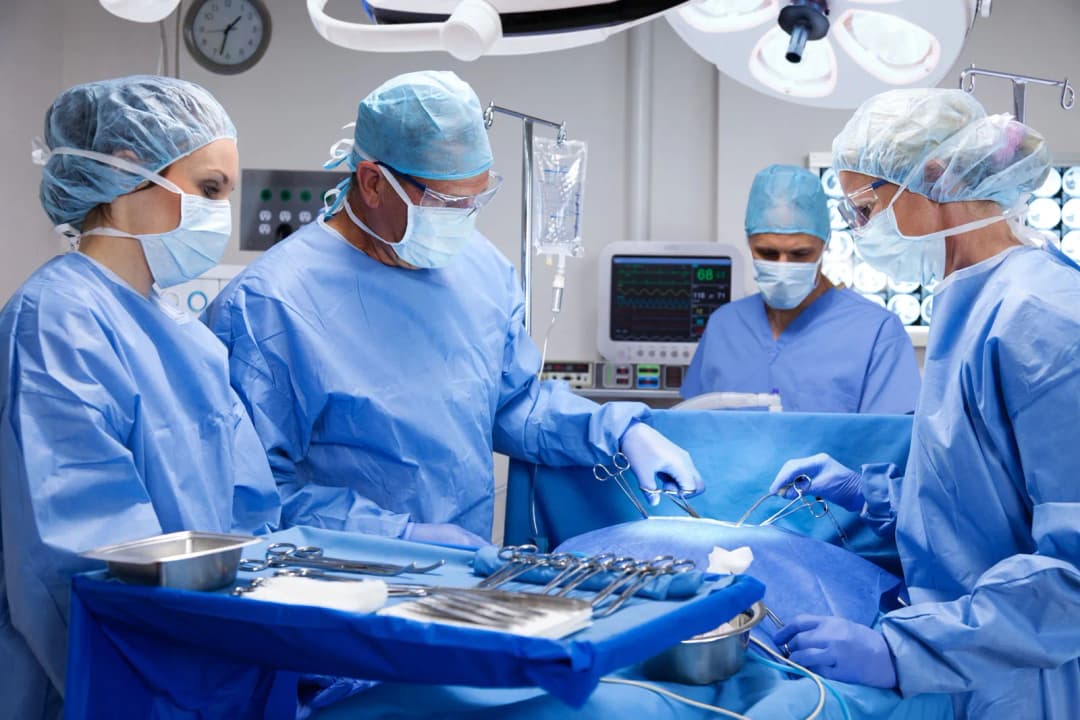
Show MoreThe Bachelor of Medicine and Bachelor of Surgery (MBBS) is a comprehensive medical degree designed to train professional doctors. The curriculum covers pre-clinical sciences such as anatomy, physiology, and biochemistry, as well as clinical disciplines including internal medicine, surgery, paediatrics, obstetrics and gynaecology, pathology, pharmacology, public health, and extensive clinical training. With a strong emphasis on both academic study and hands-on clinical experience, students undergo structured training in hospital settings. Upon completion and fulfilment of relevant licensing requirements, graduates may practise as registered medical doctors in hospitals and clinics, or pursue postgraduate specialist training in various medical disciplines.
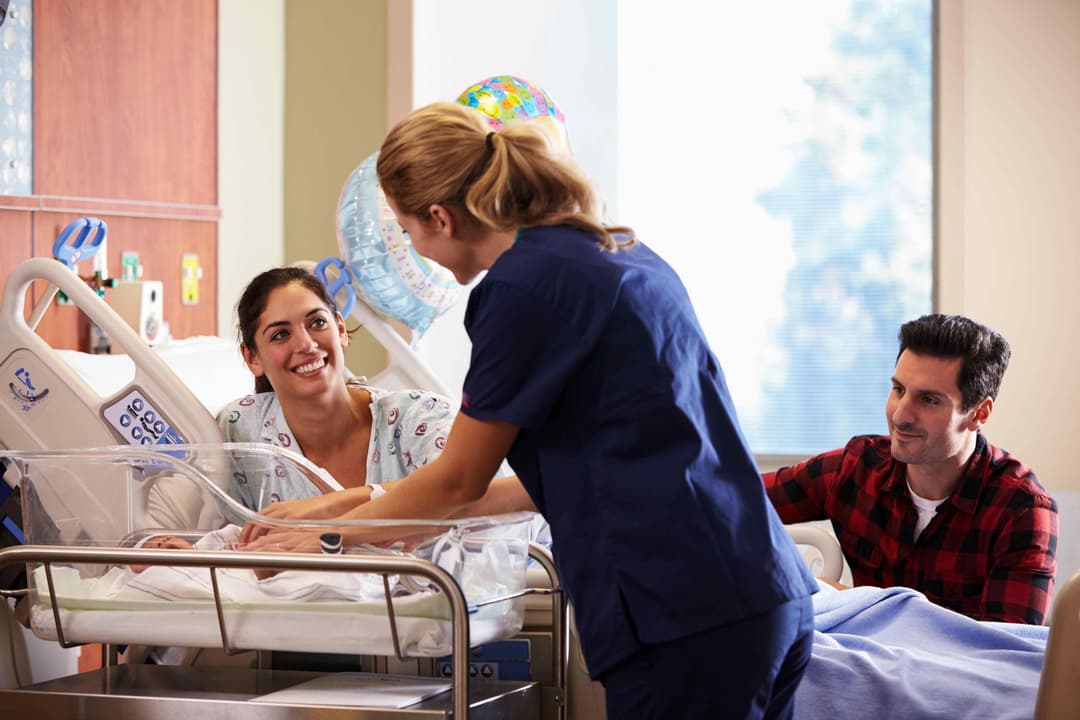
Show MoreThe Bachelor of Nursing is a professional healthcare programme focused on comprehensive nursing practice and clinical care. The curriculum covers areas such as fundamental nursing, human anatomy and physiology, pharmacology, medical and surgical nursing, paediatric nursing, obstetric and gynaecological nursing, mental health nursing, community nursing, nursing research, and supervised clinical training. With strong emphasis on both academic study and hands-on clinical experience, students undergo structured practical placements in hospitals and healthcare settings. Upon completion and fulfilment of relevant registration requirements, graduates may practise as registered nurses in hospitals, clinics, community health centres, aged care facilities, and other healthcare institutions, or pursue postgraduate and specialist nursing programmes for further professional advancement.
Show MoreThe Bachelor of Occupational Safety and Health is a professional programme focused on workplace safety management and occupational health protection. The curriculum covers areas such as occupational safety management, industrial hygiene, risk assessment and control, environmental health, safety regulations and standards, prevention of occupational diseases, accident investigation and analysis, and emergency management. By integrating theoretical knowledge with practical applications, including case studies and field training, the programme equips students with the skills to develop and implement effective safety management systems and protect employee well-being. Graduates are prepared for careers in manufacturing, construction, oil and gas, engineering firms, government agencies, and multinational corporations, working in safety and health management, risk control, and regulatory compliance roles.
Show More
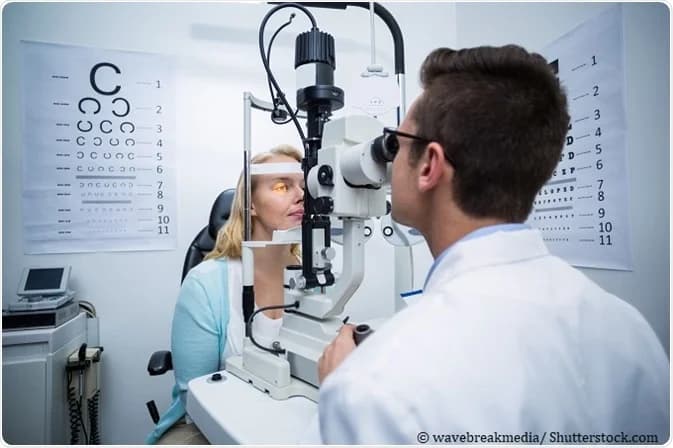
The Bachelor of Optometry focuses on eye care and vision science. Students are trained in ocular anatomy, optometric techniques, vision testing, contact lens fitting, and the detection of common eye conditions, along with clinical practice.
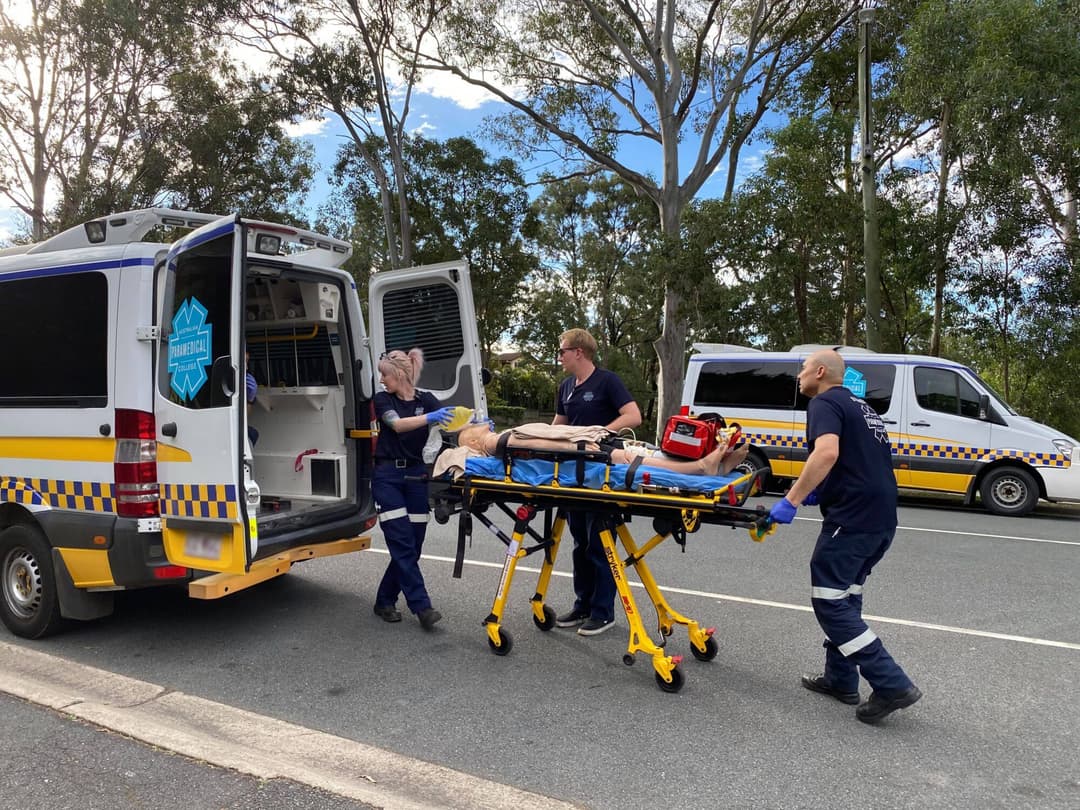
Show MoreThe Bachelor of Paramedical Science is a healthcare-focused programme centred on emergency medical care and clinical support. The curriculum covers areas such as human anatomy and physiology, emergency medicine, trauma management, cardiopulmonary resuscitation (CPR), emergency medical techniques, basic pharmacology, clinical skills, disaster and emergency management, and supervised clinical training. With strong emphasis on both academic learning and practical experience, students undergo structured training in hospital and emergency settings. Upon completion and subject to relevant registration requirements, graduates may work in hospital emergency departments, ambulance services, emergency medical services (EMS), disaster response units, and other healthcare institutions, or pursue further postgraduate studies in related medical fields.
Show More
The Bachelor of Pharmaceutical Science is a science-based programme focused on drug development and pharmaceutical technology. The curriculum covers areas such as medicinal chemistry, pharmacology, pharmaceutical technology, drug analysis, biopharmaceuticals, quality assurance and quality control (QA/QC), pharmaceutical regulations, and laboratory research techniques. With a strong emphasis on laboratory work and scientific analysis, the programme prepares students for careers in drug research, development, manufacturing, and quality management. Graduates may pursue careers in pharmaceutical companies, biotechnology firms, research institutions, regulatory bodies, and related healthcare industries, or continue with postgraduate studies in pharmaceutical sciences, biomedicine, or related fields.
Show MoreThe Bachelor of Pharmacy is a healthcare-focused professional programme centred on pharmaceutical sciences and clinical practice. The curriculum covers areas such as pharmacology, pharmaceutics, medicinal chemistry, pharmaceutical analysis, biochemistry, clinical pharmacy, pharmacy management, drug safety and regulations, and supervised training. By integrating theoretical knowledge with clinical and practical experience, the programme equips students with the competencies required for medication preparation, drug monitoring, and patient counselling. Upon completion and subject to meeting relevant registration or licensing requirements, graduates may work as pharmacists in hospitals, community pharmacies, pharmaceutical companies, regulatory bodies, and other healthcare-related sectors, or pursue further postgraduate studies or professional qualifications in pharmacy.
Show MoreThe Bachelor of Physiotherapy is a professional healthcare programme focused on physical rehabilitation and functional recovery. The curriculum covers areas such as human anatomy and physiology, kinesiology, biomechanics, neurological rehabilitation, musculoskeletal rehabilitation, cardiopulmonary rehabilitation, sports injury management, clinical assessment techniques, and supervised clinical training. With strong emphasis on both theoretical knowledge and hands-on clinical experience, students undergo structured practical placements in hospitals and rehabilitation centres. Upon completion and subject to relevant registration or licensing requirements, graduates may practise as physiotherapists in hospitals, rehabilitation centres, sports medicine clinics, private practices, aged care facilities, and community healthcare settings, or pursue postgraduate studies in related healthcare and rehabilitation fields.
Show MoreThe Bachelor of Sports and Exercise Science is a specialised programme focused on human performance, physical fitness, and health promotion. The curriculum covers areas such as human anatomy and physiology, exercise physiology, biomechanics, sports psychology, principles of strength and conditioning, sports nutrition, injury prevention and rehabilitation fundamentals, and performance testing and evaluation. By integrating theoretical knowledge with laboratory work and practical training, the programme equips students with the skills to analyse performance and design effective training programmes. Graduates may pursue careers in sports organisations, fitness centres, athletic teams, rehabilitation centres, schools, and health promotion agencies as strength and conditioning coaches, sports science assistants, health consultants, or programme coordinators, or continue with postgraduate studies in sports science or related disciplines.
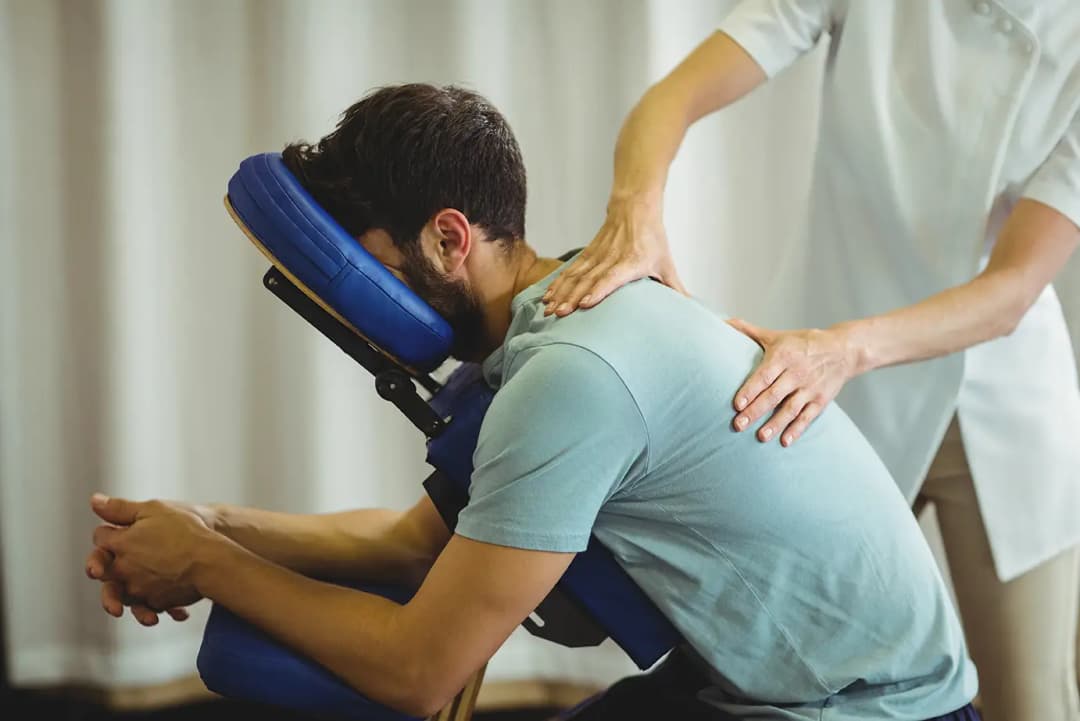
Show MoreThe Bachelor of Traditional Chinese Medicine (TCM) is a professional healthcare programme focused on the theories and clinical practices of Traditional Chinese Medicine. The curriculum covers areas such as fundamental TCM theory, TCM diagnostics, Chinese materia medica, formula studies, acupuncture and moxibustion, tuina (therapeutic massage), TCM internal medicine, gynaecology and paediatrics, meridian theory, and supervised clinical training. With a strong emphasis on both theoretical foundations and hands-on clinical practice, students receive practical training under professional supervision. Upon completion and subject to relevant registration requirements, graduates may practise in TCM clinics, integrated medical centres, TCM hospitals, and health management institutions, or pursue further postgraduate studies in TCM or related fields.
Show MoreThe Bachelor of Veterinary Medicine (commonly awarded as DVM or BVSc) is a professional healthcare programme focused on animal health, disease diagnosis, and treatment. The curriculum covers areas such as animal anatomy and physiology, veterinary pathology, microbiology, pharmacology, internal medicine and surgery, animal nutrition, public health, reproduction, and supervised clinical training. With strong emphasis on both theoretical knowledge and hands-on clinical experience, students undergo practical training in veterinary hospitals and animal clinics. Upon completion and fulfilment of relevant licensing requirements, graduates may practise as registered veterinarians in animal hospitals, pet clinics, livestock and agricultural sectors, animal health companies, and government agencies.
Show MoreContact our consultants, share your specific needs or interests, and we will recommend suitable courses or provide personalized advice!
Contact Us