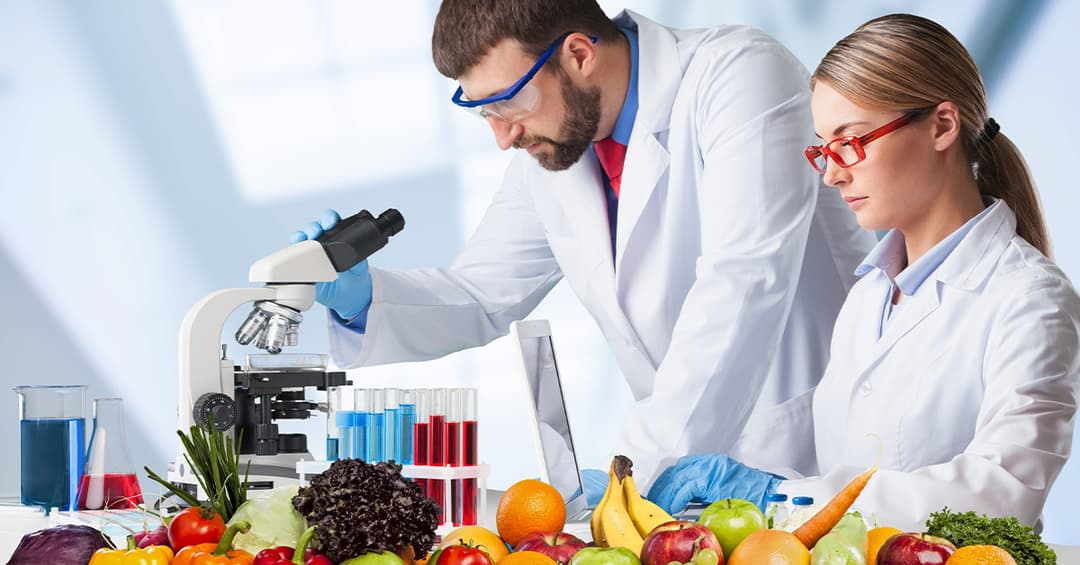
Life Science & Applied Sciences focus on the study of living organisms and the practical application of scientific principles to solve real-world problems. This field includes areas such as biotechnology, microbiology, environmental science, food science, nutrition, biomedical science, and applied chemistry, preparing students for careers in research, healthcare, industry, and environmental management.
Browse All CoursesThe Bachelor of Biotechnology is a science-based programme focused on the application of biological principles and technologies across medical, agricultural, industrial, and environmental sectors. The curriculum covers areas such as molecular biology, genetic engineering, microbiology, biochemistry, cell biology, bioinformatics, biopharmaceutical technology, and laboratory research methods. With strong emphasis on laboratory skills, data analysis, and research training, the programme equips students with the knowledge and technical expertise required in modern biotechnology industries. Graduates may pursue careers in pharmaceutical companies, biotechnology firms, agricultural and food technology industries, environmental organisations, and research institutions, or continue with postgraduate studies in biotechnology, biomedical sciences, or related fields.
Show MoreThe Bachelor of Food Science is a science-based programme focused on food development, processing, and quality control. The curriculum covers areas such as food chemistry, food microbiology, food processing technology, fundamentals of food engineering, food analysis, food quality and safety management (e.g. HACCP), basic nutrition, food regulations, and product development. With strong emphasis on laboratory work and industrial applications, the programme equips students with the knowledge and skills required to manage food production processes and ensure product quality and safety. Graduates are prepared for careers in food manufacturing companies, beverage and processed food industries, quality assurance and testing laboratories, research and development departments, and government regulatory agencies, or for further postgraduate studies in food science or related fields.
Show MoreThe Bachelor of Food Science and Technology is a specialised programme that integrates scientific principles with industrial food processing applications. The curriculum covers areas such as food chemistry, food microbiology, food engineering and processing technology, food analysis, food quality and safety management (e.g. HACCP), nutrition, food packaging technology, food regulations, and product development. With strong emphasis on laboratory work and industrial training, the programme equips students with the knowledge and technical skills required to manage the entire food production process from raw materials to finished products. Graduates may pursue careers in food manufacturing companies, beverage and processed food industries, research and development departments, quality assurance and quality control (QA/QC) units, and government regulatory agencies, or continue with postgraduate studies in food science or related fields.
Show MoreThe Bachelor of Forensic Science is a specialised programme focused on the application of scientific principles and techniques in criminal investigation and legal proceedings. The curriculum covers areas such as forensic chemistry, forensic biology, DNA analysis, toxicology, fingerprint and trace evidence analysis, crime scene investigation techniques, foundations of forensic science, legal procedures, and rules of evidence. With strong emphasis on laboratory work and case-based learning, the programme equips students with the skills to analyse and interpret forensic evidence within the justice system. Graduates may pursue careers in forensic laboratories, law enforcement agencies, forensic investigation units, government departments, and research institutions, or continue with postgraduate studies in forensic science, criminal investigation, or related fields.
Show More
The Bachelor of Nutrition is a science-based programme focused on human nutrition and health management. The curriculum covers areas such as human anatomy and physiology, principles of nutrition, food science, public health nutrition, fundamentals of clinical nutrition, diet planning, nutrition counselling skills, and research methods. By integrating theoretical knowledge with laboratory work, case studies, and internship training, the programme equips students with skills in nutritional assessment and health guidance. Graduates may pursue careers as nutrition assistants, health advisors, or food research personnel in hospitals, wellness centres, food companies, health management organisations, and public health agencies, or continue with postgraduate studies in nutrition, public health, or related fields.
Show MoreThe Bachelor of Physics is a science-based programme focused on the fundamental principles governing nature and the structure of matter. The curriculum covers areas such as classical mechanics, electromagnetism, thermodynamics and statistical physics, quantum mechanics, optics, solid-state physics, nuclear physics, and computational physics. With strong emphasis on mathematical rigor, laboratory skills, and analytical problem-solving, the programme develops a solid foundation in scientific reasoning and quantitative analysis. Graduates may pursue careers in research institutions, education, engineering and technology companies, data analysis, financial technology, and government agencies, or continue with postgraduate studies in physics or related scientific disciplines.
Show More
The Bachelor of Science (Bioinformatics) is an interdisciplinary science programme that integrates biological sciences with computational and data-driven technologies. The curriculum covers areas such as molecular biology, genetics, biochemistry, programming (e.g., Python / R), data structures and algorithms, biostatistics, genomics, protein structure analysis, biological databases, and bioinformatics tools. By combining theoretical foundations with laboratory work and data analysis projects, the programme equips students with the skills to acquire, process, analyse, and interpret biological data. Graduates may pursue careers as bioinformatics analysts, research assistants, or data specialists in biotechnology companies, pharmaceutical firms, genetic testing laboratories, medical research institutes, and research organisations, or continue with postgraduate studies in bioinformatics, biotechnology, or related fields.
Show MoreThe Bachelor of Sports Science is a specialised programme focused on human performance and exercise science. The curriculum covers areas such as exercise physiology, biomechanics, sports psychology, sports nutrition, principles of strength and conditioning, performance testing and evaluation, injury prevention and rehabilitation fundamentals, and research methods. By integrating theoretical knowledge with laboratory work and practical training, the programme equips students with the skills to analyse athletic performance and design effective training programmes. Graduates may pursue careers in sports organisations, athletic teams, fitness centres, schools, rehabilitation centres, and health promotion agencies as strength and conditioning coaches, sports science assistants, health consultants, or programme coordinators, or continue with postgraduate studies in sports science or related disciplines.
Show MoreContact our consultants, share your specific needs or interests, and we will recommend suitable courses or provide personalized advice!
Contact Us